
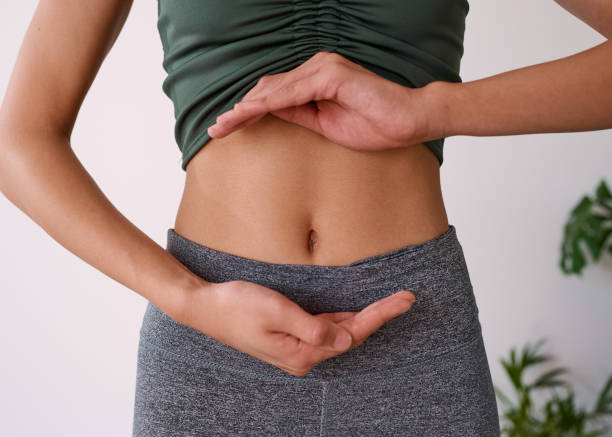

There are muscles we see, and muscles we feel. And then there are muscles we rarely think about—until something doesn’t feel quite right. The pelvic floor sits in this last category: quietly supporting our bladder, bowel, and uterus, carrying us through life’s most transformative stages. But like any foundation, when it’s weakened, we feel it everywhere.
Pelvic floor rehabilitation is not just for postnatal recovery or for women in menopause. It’s relevant across a woman’s entire life. Understanding this timeline helps shift the narrative from “something’s wrong” to “I know what I need.”
Adolescence & Early Adulthood: Building Awareness
In the teen years and early twenties, the pelvic floor is usually functioning well—but that doesn’t mean there are no signs to watch for. Some girls experience early symptoms like painful periods or difficulty inserting tampons. Others develop pelvic pain that goes undiagnosed for years. Conditions such as vulvodynia or vaginismus often begin around this time but remain unspoken and misunderstood.
Seeing a pelvic health physio or women’s health physiotherapist during this stage can offer answers, especially for young women struggling with unexplained pain or discomfort. Learning to connect with the pelvic floor early can prevent complications down the line.
Pregnancy & Postpartum: The Body Transformed
Pregnancy changes everything—from your hormones to your core stability. As your baby grows, the weight and pressure on your pelvic floor increase significantly. These muscles, which normally act like a hammock supporting your bladder, uterus, and bowel, are suddenly under strain 24/7. This shift can weaken their tone and coordination, making it harder to control bladder function or support the growing uterus efficiently.
At the same time, your abdominal muscles stretch to accommodate your expanding belly. In many women, this leads to diastasis recti—a separation of the rectus abdominis muscles along the midline. This isn’t just a cosmetic issue. Diastasis can cause the core to lose its integrity, often leading to lower back pain, a feeling of instability, or even digestive discomfort. It can also affect breathing patterns and posture, which further impacts how the pelvic floor functions.
Without proper guidance, the body may adapt in ways that cause long-term imbalances. That’s why working with a pelvic health physio during and after pregnancy is so important—they assess how the abdominal wall, diaphragm, and pelvic floor are working together, and guide you through safe, effective ways to restore strength and function.
Many women first meet a pelvic health physiotherapist during pregnancy to prepare for birth. But it’s in the postpartum period that pelvic floor rehabilitation becomes truly essential. After childbirth—whether vaginal or via caesarean—the body undergoes immense physical stress. The pelvic floor may be stretched, weakened, or even injured during delivery, especially if there was tearing, an episiotomy, or the use of forceps. Even in the absence of complications, the pressure endured throughout pregnancy and birth can leave these muscles less responsive, less coordinated, and more vulnerable.
Many women also face challenges they weren’t fully prepared for: urinary incontinence when laughing or sneezing, a sense of heaviness or bulging in the vagina (a sign of pelvic organ prolapse), discomfort during intimacy, or a lingering sense of weakness through the core. And for those recovering from a caesarean, while the pelvic floor may not have been directly involved in delivery, the abdominal muscles—and by extension, the entire core system—still need thoughtful rehabilitation.
This is why a proper postnatal assessment with a women’s health physio is so valuable. It offers a comprehensive check-up tailored specifically to the postpartum body. A physiotherapist will assess how the pelvic floor is functioning, check for diastasis recti, observe breathing patterns and posture, and help you understand what your unique body needs to heal safely and fully. Rather than guessing what’s “normal” and what’s not, you’ll walk away with clarity, reassurance, and a personalised plan for recovery—one that supports not just physical healing, but confidence and peace of mind.
The Middle Years: Rediscovering Strength
Life gets busy. Careers, families, movement—or lack of it—all play a role in pelvic floor health. For some women, symptoms like leaking when sneezing or occasional pelvic pressure creep in quietly. These are often early signs of a prolapse or pelvic floor dysfunction.
Meeting with a prolapse physiotherapist or an incontinence physiotherapist during this phase can help manage and even reverse these symptoms. It’s not about doing endless kegels—it’s about understanding your unique body, posture, breath, and muscle coordination.
Perimenopause & Menopause: The New Normal
Hormonal shifts during perimenopause and menopause impact tissue elasticity and hydration. Many women are surprised to experience vaginal dryness, increased urinary urgency, or prolapse symptoms during this time—even if they’ve never had children. The pelvic floor may feel weaker, or you might notice a dragging sensation.
This stage is also when previously undiagnosed conditions like vulvodynia or vaginismus can become more pronounced. Painful intercourse or a sudden loss of sensation isn’t “just aging.” It’s a sign the body is asking for support—and it’s never too late to get it.
A Check-in at Any Age
One of the most empowering things any woman can do is book a full women’s health assessment with a trained physiotherapist. This isn’t just a check for problems—it’s an opportunity to understand how your core, pelvic floor, and posture are working together. Whether you’re symptom-free or feeling unsure, this kind of assessment offers clarity, reassurance, and a proactive path forward.
What’s most important to remember is that none of this is about perfection. It’s about connection—with your body, your breath, and your sense of self. Pelvic floor rehabilitation is not just about healing—it’s about thriving.
You don’t need to wait until something feels “bad enough” to reach out. You don’t need to figure it out alone. At every age, and every stage, support is available—and you deserve it.
If you’re looking for a pelvic health physiotherapist in London, the team at Mummy’s Physio offers exceptional care from experienced professionals. Their women’s health physiotherapists and osteopaths all have advanced post-diploma training and between 5 to 20 years of hands-on experience. Since 2008, they’ve been supporting women across London through every stage of life—helping with everything from postpartum recovery to complex pelvic floor conditions.
You can learn more about their approach and team at www.mummysphysio.com, or give them a call on 020 7125 0262. They’ll be happy to answer any questions and guide you toward the right support.
For more info on Women’s health assessment: full women’s health assessment