
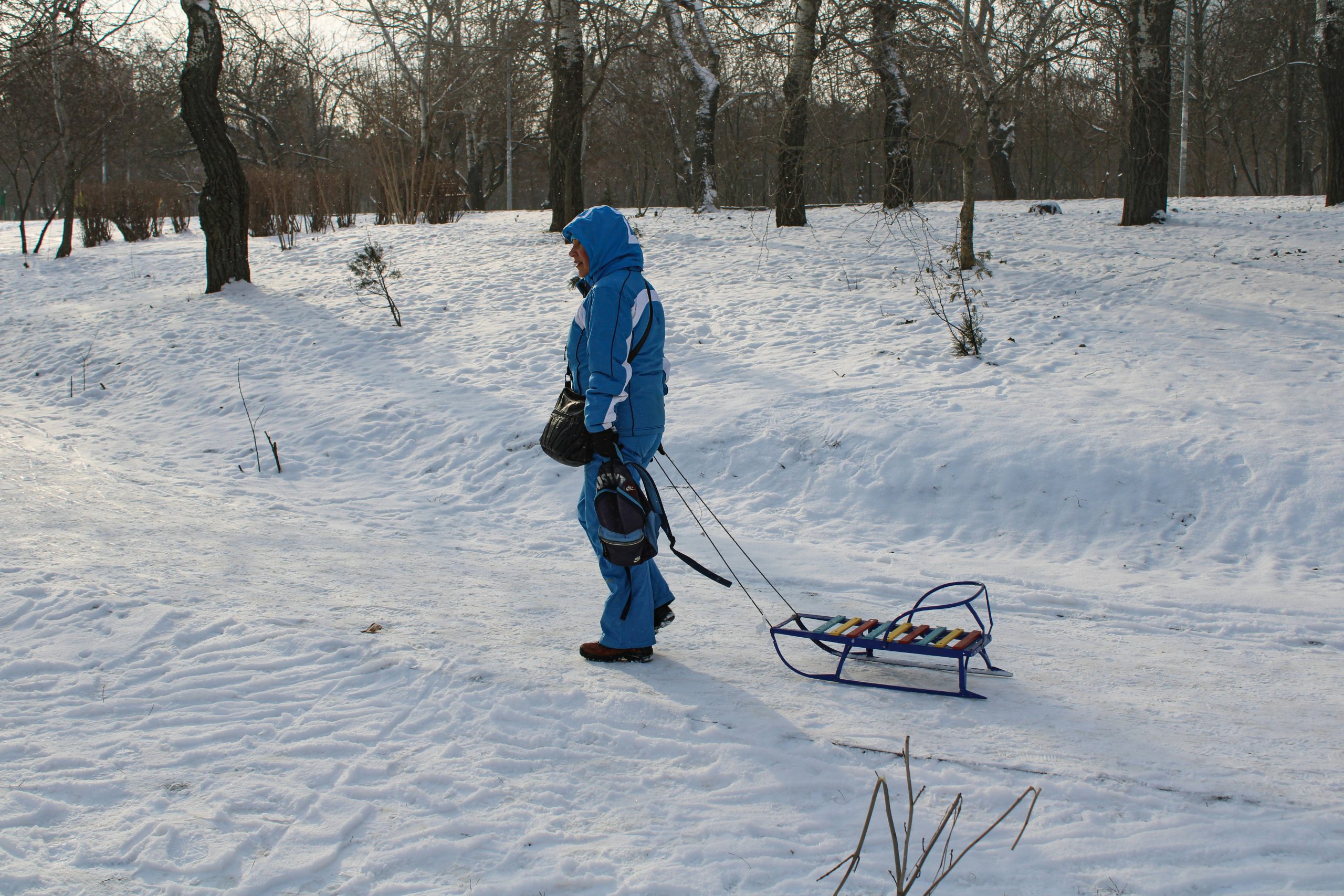

As winter arrives in London, the chilly weather and shorter days can make staying active more challenging. However, keeping your body moving is essential for both physical and mental health. For many, the cold weather can lead to stiff joints, muscle pain, and increased risk of injuries, especially among those with pre-existing conditions, sports enthusiasts, and young parents carrying their little ones. Let’s explore some expert tips from our physiotherapists at Excellence Physiotherapy on how to stay active, injury-free, and pain-free during the winter season.
Understanding winter’s impact on your body
When temperatures drop, our muscles and joints tend to tighten up, making us more susceptible to strains and sprains. Cold weather can also reduce blood flow to extremities, which can lead to stiffness and discomfort. For those with chronic conditions like arthritis or old injuries, winter can aggravate pain levels, making it even harder to maintain an active lifestyle.
Physiotherapists often see an increase in patients dealing with conditions like joint pain, muscle stiffness, and even winter sports injuries during this time of year. By being proactive and adjusting your exercise and wellness routines, you can avoid many of these seasonal challenges.
Tips to stay active and injury-free this winter
Warm-up properly
In winter, your muscles and joints need extra time to warm up due to the colder temperatures, which can make them stiffer and more prone to injury. Spending 10-15 minutes on a proper warm-up before engaging in any physical activity can make a significant difference.
- Dynamic stretches: Focus on movements like leg swings, arm circles, and torso twists to loosen up your muscles and improve blood flow.
- Light cardio: Incorporate activities like brisk walking, jogging in place, or jumping jacks to gradually elevate your heart rate and warm your core muscles.
- Joint activation: Include mobility exercises like hip openers or ankle rotations to prepare your joints for movement, reducing the risk of sprains.
A thorough warm-up will not only help prevent muscle strains but also enhance your performance, making your workouts more efficient and enjoyable.
Layer up
Maintaining the right body temperature during exercise in cold weather is essential to avoid injury and discomfort.
- Dress in layers: Opt for moisture-wicking fabrics as your base layer to keep sweat away from your skin, followed by insulating layers like fleece. Top it off with a windproof or waterproof jacket if you’re outdoors.
- Adapt as you go: As your body heats up, remove layers to avoid overheating, which can lead to dehydration or fatigue. Keep a lightweight hat and gloves handy, as extremities are often the first to feel the cold.
- Post-workout: Be sure to put on warm layers after your workout, especially if you’ve been sweating, to prevent your muscles from cooling down too quickly, which can lead to stiffness or injury.
Focus on mobility & flexibility
During the colder months, people often find themselves sitting more due to the weather. This can lead to tight muscles and reduced mobility, increasing the risk of injuries when you do get active.
- Stretch regularly: Include a mix of static and dynamic stretches to improve flexibility in areas like your hips, shoulders, and lower back.
- Yoga and Pilates: These are fantastic low-impact exercises that enhance mobility, strengthen your core, and reduce muscle tension. Just 15-20 minutes a day can help keep your muscles limber.
- Foam rolling: Use a foam roller to release muscle tightness and improve circulation. Focus on common problem areas like the calves, hamstrings, and upper back.
Maintaining flexibility and mobility helps prevent injuries, improves posture, and ensures your body can handle sudden movements without straining.
Stay hydrated
Cold weather can trick your body into feeling less thirsty, but staying hydrated is just as crucial in winter as in summer.
- Hydration’s role in muscle function: Dehydration can reduce muscle performance, leading to cramps, fatigue, and even joint pain. Drinking enough water helps maintain the elasticity of your muscles and joints.
- Tips to stay hydrated: Carry a reusable water bottle with you, even on cold days. Warm beverages like herbal tea or lemon water can also be a good way to stay hydrated while keeping warm.
- Electrolytes: If you’re engaging in longer, more intense activities, consider electrolyte-infused drinks to replenish lost minerals, especially if you’re sweating.
Use the right equipment
Whether you’re heading to the gym, going for a run, or participating in winter sports, using appropriate equipment can make a world of difference in preventing injuries.
- Winter sports safety: If you’re skiing, snowboarding, or ice skating, make sure you have properly fitted gear, such as helmets, knee pads, and supportive boots. Investing in quality equipment can prevent serious injuries.
- Footwear matters: Wear shoes with good traction to prevent slips on wet or icy surfaces, and consider orthotics if you have specific foot concerns. Running shoes with a waterproof outer layer can also help keep your feet dry.
- Pre-season assessment: If you’re an avid winter sports enthusiast, schedule a pre-season physiotherapy assessment. This can help identify muscle imbalances or areas of weakness that could lead to injury. A physiotherapist can also recommend strengthening exercises to improve your resilience.
Taking the time to invest in proper gear and addressing any physical weaknesses before winter sports can not only reduce the risk of injury but also enhance your overall performance.
A physiotherapist’s perspective: Why winter rehab & treatment are crucial
Winter isn’t just a time for avoiding injuries; it’s also an ideal season to address long-standing issues that may have been neglected. Focusing on rehabilitation during the winter months can set you up for a healthier and more active spring.
From our physiotherapist’s point of view:
“Winter can be a challenging season for the body, particularly for those recovering from surgery, injury, or pregnancy. During the colder months, we see an increase in patients with muscle tension, joint stiffness, and reduced mobility. By incorporating targeted physiotherapy and osteopathy sessions, we can help patients alleviate discomfort, improve flexibility, and build strength. Our approach not only focuses on relieving pain but also on preventing future injuries, ensuring our patients can enjoy an active and pain-free lifestyle year-round.”
If you’re experiencing chronic pain, past injury flare-ups, or simply want to improve your fitness level before spring arrives, physiotherapy can be incredibly beneficial. Our practitioners can guide you through tailored exercise routines, manual therapy, and strength training to keep your body resilient against the cold weather.
Postnatal and women’s health during winter
For new and expecting mothers, winter can present additional challenges, from reduced outdoor activity options to added stress on the body due to colder weather. Women’s health physiotherapists specialise in postnatal rehabilitation, focusing on helping mothers regain core strength, pelvic stability, and overall mobility during the postpartum period.
Pro tips: If you’ve recently given birth, consider scheduling a postpartum assessment with a physiotherapist to address any pain, weakness, or dysfunction. Winter is the perfect time to focus on your recovery, so you’re ready to be more active as spring arrives.
Paediatric physiotherapy: Keeping kids active in the cold
Children can also be affected by the winter slowdown, especially if they’re stuck indoors. Encouraging regular physical activity is essential for their development. Paediatric physiotherapists recommend engaging children in indoor games, yoga, or even simple stretching routines to keep them active and flexible.
Don’t let the winter chill slow you down! By incorporating some of these expert tips and considering physiotherapy for rehabilitation or preventive care, you can maintain your health, prevent injuries, and ensure your body is ready for the spring season ahead.
At Excellence Physiotherapy in London, we’re here to support you through every season, offering specialised treatment plans tailored to your individual needs. Contact us today to book an assessment and learn how we can help you stay active and pain-free this winter!
For further information, visit www.excellencephysiotherapy.com
0207 125 0262 – info@babyphysio.com